
What are the first steps that a new landlord must take after buying a rental property?
It’s not as easy as finding a tenant and collecting rent. What happens in the days, weeks, and months after acquisition will determine whether an investment property becomes a stable income-producing asset or a source of ongoing stress.
For first-time landlords, working with Bell Properties can make a difference in starting the journey in a way that sets everyone up for success.
No one hands new landlords a checklist at closing to serve as guidance. Instead, success depends on how well an owner can transition from buyer to landlord. A relationship with us helps. We’ve put together a roadmap that walks through this transition step-by-step. At Bell Properties, we emphasize building systems, staying compliant, and protecting investments.
Here’s what happens after buying a rental property.
Bell Properties Overview:
|
Secure the Property and Prepare it for Rent
Immediately after closing, an owner’s first priority is control and security.
Change all the locks, even if the seller makes assurances that all keys were accounted for. It’s impossible to know who might still have access. This includes garages, storage areas, and shared amenities.
Conduct a full property walkthrough. Even if inspections were completed during escrow, now is the right time to evaluate the property from an operational perspective. Look for deferred maintenance issues and make sure safety systems like smoke detectors and carbon monoxide alarms are functional.
If the property is vacant, there is a short window to address repairs efficiently. If it’s tenant-occupied, the approach shifts. Landlords will need to respect existing lease agreements while assessing condition through proper notice procedures.
Not sure how to navigate the immediate days? Contact us at Bell Properties and we’ll get things started.
Set Up the Necessary Financial Infrastructure
Treating a rental property like a business from day one will create a more sustainable investment experience.
Open a dedicated bank account for rental income and expenses. Commingling funds is one of the most common mistakes new landlords make, and it creates complications for accounting, taxes, and liability protection.
Establish a bookkeeping system to track all income and expenses meticulously. Categorize expenses (repairs, capital improvements, utilities, insurance, etc.).
This step becomes even more critical for owners who plan to scale a portfolio.
Understand Tenant Protections and Legal Obligations

Landlord-tenant law in California includes some of the most stringent regulations in the country. This is one of the best reasons to partner with Bell Properties. Risk management is essential when it comes to avoiding lawsuits, claims, and complaints. Key areas to understand include:
Lease agreements and required disclosures
Security deposit rules
Notice requirements for entry or termination
Habitability standards
Fair housing compliance
Rent control ordinances
Just-cause eviction laws
At this stage, many first-time landlords benefit from our property management expertise.
California Landlord Insurance: Protect and Preserve
Landlord insurance in California is an important part of risk management, just like property management with Bell Properties.
Standard homeowners policies typically don’t cover rental activity, leaving gaps that can be financially catastrophic. At the same time, California presents elevated risks such as wildfire exposure, seismic activity, rising rebuild costs, and a tightening insurance market where carriers are reducing coverage or exiting high-risk areas altogether.
A solid landlord policy must include:
Dwelling coverage at full replacement cost (not market value), accounting for local construction inflation.
Liability protection is equally critical. Aim for at least $1 million, given litigation risk.
Loss of rent coverage helps maintain cash flow if the unit becomes uninhabitable due to a covered event.
Depending on location, landlords will also want to consider endorsements for earthquake insurance (often excluded) and flood insurance (required in FEMA-designated zones). Ordinance or law coverage is another smart add-on, covering costs to meet updated building codes after a loss.
Prepare the Property for Tenants
If the rental property is vacant, the next step is to get it on the market.
At Bell Properties, we recommend focusing on three areas:
Safety. Ensure all systems meet local codes.
Functionality. Address plumbing, electrical, and structural issues.
Presentation. Clean thoroughly, repaint if needed, and improve curb appeal.
Avoid over-renovating unless it supports higher rent or tenant quality. The goal is to reach a competitive market standard, not create a luxury product unless the market demands it.
Determine the Right Rent Price

We balance pricing so a rental value is both competitive for the market and profitable for the owner. This is something that requires local market knowledge and excellent data. First, we use insights that we gather for the neighborhood. We look at comparable properties in the area and consider property size, layout, comparable amenities, and the behavior of the existing market. We look at competing properties and how long it took to rent them.
Overpricing can lead to an extended vacancy, while underpricing leaves money on the table.
In competitive markets like what we’re finding in many California cities, pricing strategy can also influence tenant quality and turnover rates. A slightly below-market rent can sometimes attract more stable, long-term tenants.
Marketing the Property Effectively
Once the property is ready and priced, it’s time to attract tenants.
Bell Properties listings are designed to attract the most qualified renters. They include:
High-quality photos and videos
A clear, accurate description
Key details (rent, deposit, lease terms, pet policy)
We list the property across multiple platforms to maximize visibility. Speed matters. Those vacant days directly impact returns.
Owners who are not prepared to respond quickly to inquiries should contact us at Bell Properties to reduce vacancies and keep generating interest. We schedule showings efficiently.
Screening California Tenants Thoroughly
Tenant selection is critical. A strong screening process reduces the likelihood of late payments, property damage, and legal issues. Our standard screening includes:
Credit check
Income verification (typically 2.5–3x rent)
Rental history
Eviction check
Verifying application information
Consistency is essential. We apply the same criteria to every applicant to remain compliant with fair housing laws. Owners who do not understand California’s strict screening laws or who tend to make decisions based on intuition alone will need professional help and our objective, documented standards.
Execute a Solid Lease Agreement
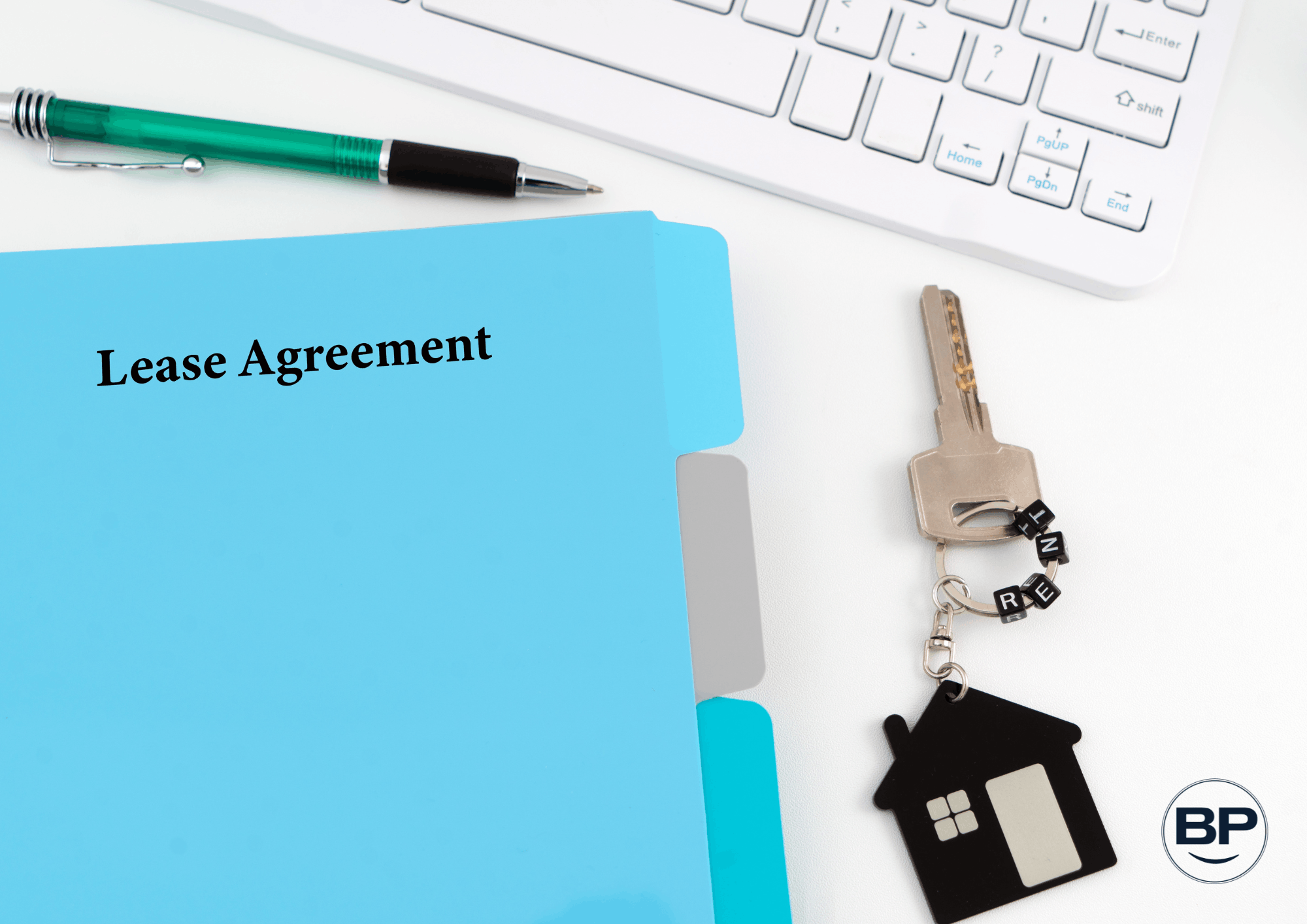
A lease is the legal foundation of any landlord-tenant relationship. It should clearly define:
Rent amount and due date
Late fees and penalties
Maintenance responsibilities
Rules regarding pets, guests, and use of property
Procedures for termination
In California, leases often include additional required disclosures, such as information about lead-based paint or local ordinances. We can tell you from experience that a generic lease template may not be sufficient. Work with us so you can trust your lease to protect you and your property.
Establish Systems for Ongoing Management
Once tenants move in, systems are needed for rent collection (online payments are standard), maintenance requests, communication, and recordkeeping. Responsiveness matters. Delayed maintenance can escalate costs and strain tenant relationships.
We invest in preventive maintenance at Bell Properties. Servicing HVAC systems and inspecting plumbing routinely can reduce long-term expenses and protect property value.
Plan for Taxes and Long-Term Financial Strategy
Rental income is taxable, but owners also gain access to deductions:
Mortgage interest
Property taxes
Insurance
Repairs and maintenance
Depreciation
We always tell owners to work with a tax professional to optimize strategy. Real estate offers powerful tax advantages, but only if income and expenses are tracked and reported correctly.
Additionally, think beyond monthly cash flow. Consider equity growth, appreciation potential, and even portfolio expansion. The first property is often a stepping stone to a broader investment strategy.
No matter how well an owner plans, issues will arise. There will be emergency repairs and tenant disputes. Vacancy periods will show up. We recommend a reserve fund of 3 to 6 months of expenses to handle disruptions without financial strain.
Frequently Asked Questions

Q: How soon should I find a tenant after buying a rental property?
As soon as the property is safe, functional, and market-ready. Every vacant day reduces your return, but rushing without proper preparation can lead to poor tenant selection.
Q: Do I need a separate LLC for my rental property?
Not always, but many landlords use LLCs for liability protection. The decision depends on your risk tolerance, financing structure, and long-term goals.
Q: How much should I budget for maintenance?
A common rule is 1–2% of the property’s value annually, though this varies based on age and condition.
Q: Is property management worth the cost?
It depends on your time, expertise, and location. In high-regulation markets like California, professional management often reduces risk enough to justify the expense.
Q: What’s the biggest mistake new landlords make?
Inadequate tenant screening and poor financial tracking are two of the most common and costly errors.
Transitioning into a landlord role requires a shift in mindset. By approaching a rental property as a structured business and building strong systems early, new owners can position themselves for consistent income, reduced risk, and long-term growth.
We’re your best property management partner. Contact us at Bell Properties for more guidance on owning and managing rental properties in California.