Protecting a rental property begins with a strong lease agreement. For California landlords, where tenant protections are strong and rental laws are intricate, a well-drafted lease is not exactly paperwork. It’s an outline for expectations and responsibilities, and a potential defense against legal disputes and conflict. A good lease is how property owners maintain control over their investments.
As property management experts in California, we’re always working to optimize the lease agreements that we have residents sign. This is essential, because the right clauses can clarify expectations, prevent miscommunication, and provide direction if there’s any confusion about processes or rules.
We’ve collected some key clauses for rental property owners in California, and we’re excited to share them with you. When you need help putting together a lease agreement that’s both legally compliant and legally enforceable, contact Bell Properties. We’ll make sure all the boxes are checked.
Custom Lease Agreements Matter in California
California has some of the most tenant-friendly laws in the country. From statewide rent control to strict eviction procedures, the legal environment can feel complex. Standard lease templates often fall short of protecting landlord interests or complying with state-specific regulations. Customization is key.
A strong lease agreement clearly defines responsibilities, boundaries, and remedies.
Clear Identification of Parties and Property
 This may seem obvious, but it’s the foundation of the agreement. Ensure the lease includes the full names of all adult tenants, the full property address and location, and all of the contact details for the landlord (if self-managing) or the property manager. When you partner with our team, Bell Properties will be the first point of contact for tenants. They’ll know exactly how to reach us, and that’s important in a lease agreement, too. The contact information and instructions let tenants know we’re accessible and available.
Lease Term and Renewal Policy
Specify the lease type that’s being signed. Typically, this is a fixed-term lease (usually 12 months) or month-to-month (which we only recommend under very specific circumstances). Provide a clear start and end date. If automatic renewal is included, outline how and when it happens, along with the process for termination by either party.
In California, a month-to-month lease is common, especially after the initial fixed term. Make sure the renewal policy complies with AB 1482 and local rent control ordinances. If a property is exempt from The Tenant Protection Act, it has to say so in the lease agreement.
Rent Amount, Due Date, and Payment Methods
This section should clearly define:
Monthly rent amount
Due date and grace period
Acceptable payment methods (online portal, check)
Late fees and returned check fees (subject to California limits)
California law caps late fees to a “reasonable amount.” This is surprisingly vague for a state with so many strict rental laws, and that’s why it’s so important to have the lease be specific. Most landlords use a flat fee, such as $50, or a small percentage of rent.
Security Deposit Terms
California limits security deposits to the equivalent of one month’s rent for most properties. There are some exemptions, of course, but the standard is one month’s rent. That deposit has to include all deposits, including things like a pet deposit. The lease agreement must specify how much of a deposit was collected from the tenant. Make sure the lease is clear about how the deposit may be used.
It’s also important to include the timeframe for the deposit’s return, which is 21 days after the tenant vacates. An itemized list of deductions must be provided and new laws require photo documentation when deductions are made.
Avoiding security deposit disputes begins with the lease agreement.
Maintenance and Repair Responsibilities

Tenants and landlords often disagree over who is responsible for what. Avoid gray areas by spelling it out. The lease should detail:
Tenant responsibilities such as reporting issues promptly, replacing light bulbs and air filters
Landlord responsibilities such as plumbing, structural repairs, habitability issues
How to submit maintenance requests, whether an emergency or a routine request
Access notice requirements (California law requires 24-hour written notice)
Something in the lease should hold tenants accountable for keeping the property clean and in good condition. It’s ultimately the landlord’s job to maintain the home, but the lease can specify what tenants are expected to do.
Right of Entry and Notice
California Civil Code §1954 governs when and how landlords can enter the rental property. An owner cannot show up and take a look around whenever the mood hits. Tenants have a right to privacy. Include a clause that aligns with state law:
24 hours’ written notice for non-emergencies
Reasonable hours (typically 8 a.m. to 5 p.m.)
Exceptions for emergencies (no notice required)
Pet Policy

It’s always a good idea to allow pets because so many tenants have them. But, pet-related damages can be costly. A strong lease will clearly state whether pets are allowed and under what conditions. Be specific about the type, size, and breed restrictions that are in place and reference the pet deposit or pet rent. The lease should also include the tenant’s responsibility for damage or nuisances that involve the pet.
Subletting and Guest Policy
Prevent unauthorized occupants by defining rules around subletting and extended guests. We generally advise against subletting unless prior authorization is sought and given. Many leases cap guest stays at 10 or 14 days. What we don’t want is for a guest to become a tenant, but a tenant who is not screened or accountable to the lease agreement.
Rules and Regulations Addendum
Rather than clutter the main lease with rules, create a separate addendum that outlines:
Quiet hours
Trash disposal
Parking
Smoking (many California cities ban smoking in multi-unit housing)
This allows property owners to update rules without modifying the full lease each time. If something happens to require an amendment, simply provide reasonable notice to tenants.
Rent Control Disclosure (If Applicable)
Under California’s Tenant Protection Act (AB 1482), landlords must disclose whether the property is subject to rent control. Even if it’s exempt (as most single-family homes owned by an individual are), this must be stated in the lease. This is an important inclusion, so get in touch with us at Bell Properties if you don’t have it in your lease currently. We can make the necessary updates that will keep you compliant.
Mold and Lead-Based Paint Disclosures
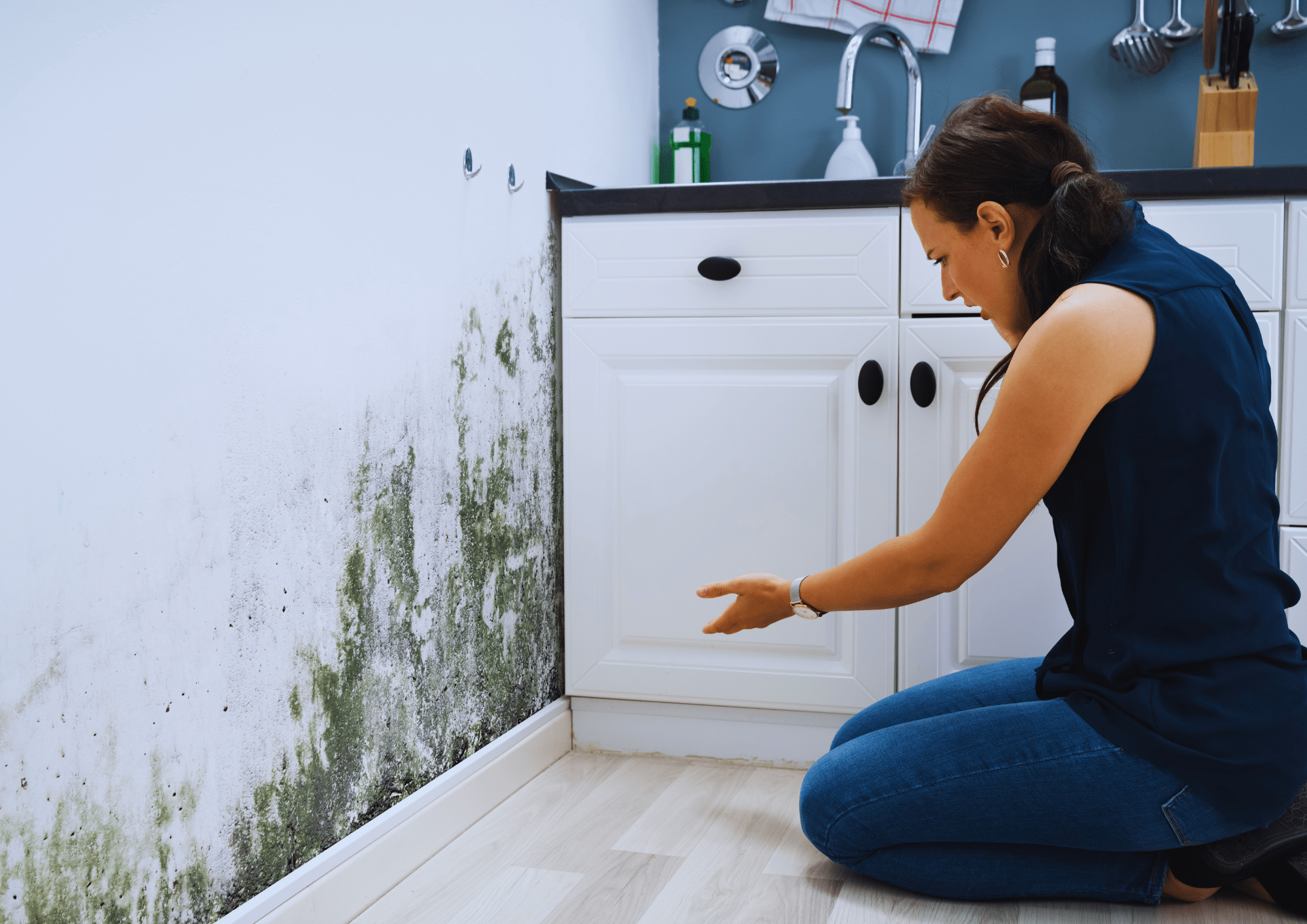
California requires landlords to provide a mold disclosure if there’s known mold. A lead-based paint disclosure also must be provided for properties built before 1978. Include signed acknowledgment forms in the lease packet. Landlords are also required to disclose any known health or safety hazards that may be found in the property. Make sure they’re documented and make sure it’s easy to prove that the tenant knew about them before moving in.
Mediation and Legal Fees Clause
Encourage conflict resolution outside of court by including a mediation clause. This is standard in most California leases. Also specify who pays legal fees in the event of a dispute.
Smoke and Carbon Monoxide Detector Acknowledgment
California law requires both types of detectors in rental units. Include a clause in the lease where tenants acknowledge the presence of detectors and their obligation to notify the landlord if alarms are malfunctioning. This small clause can protect a property owner in the unfortunate event of a fire or safety incident.
Bed Bug Addendum
State law requires landlords to provide educational material about bed bugs and to avoid knowingly renting infested units. Any California lease should include a bed bug disclosure and information sheet and a requirement for tenants to report sightings.
Severability and Entire Agreement Clauses
These legal boilerplates are important in the event part of the lease that’s signed is challenged or voided:
Severability clause. Ensures that if one clause is unenforceable, the rest still stands
Entire agreement clause. States that no verbal agreements exist outside the lease
Don’t make the mistake of copying and pasting a lease template that was found online. It’s important to have a lease agreement that’s specific to the state of California and the property that’s being rented. Lease agreements are living documents. What works for one property or city may not work for another. While the above clauses are a great foundation, always customize your lease to match:
The type of rental (single-family, duplex, apartment, etc.)
Local ordinances (Los Angeles, San Francisco, Oakland all have unique rules)
The management style and risk tolerance of the owner and management company
It doesn’t take a lawyer to write a strong lease, but a local property manager can provide exactly the right kind of documentation. We are informed and proactive, making it easy for us to draft a lease that’s going to protect owners, properties, and tenants.
 Laws change, markets shift, and the lease signed by owners and tenants will need to evolve accordingly. All of what we’ve talked about will optimize a basic lease agreement into something stronger.
We’re on top of it. Please don’t hesitate to contact us at Bell Properties with any questions about the lease agreement or with a request for help in writing one.