What are you really losing when a tenant moves out?
Yes, you’re losing the rental income. You’re losing the person who physically resides in the property.
But, there’s a lot more to lose.
When your property turns over between tenants, there’s more than just vacancy that matters. There’s the cost of repairs and updates that are needed before the home is ready for a new tenant. You’ll have to advertise, screen, and draft a legally compliant lease. There’s the risk of a vacant property; what happens if a leak starts and no one is there to notice it? What if criminals see your empty property as an opportunity?
Tenant turnover comes with some real costs. We’re shining a bright light on those costs today, and as your trusted California property management resource, we’re talking about how to minimize those often-shocking expenses.
Overview:
|
Vacancy Costs: Lost Rent and Lost Time
The most obvious and immediate cost of tenant turnover is vacancy. In high-demand markets across California, it may seem like finding a new tenant should be quick and easy. But that’s not always the case. Factors such as seasonality, market saturation, or a cooling rental market in specific areas can extend the time it takes to re-rent the property.
Each day your property sits empty is money lost. If your monthly rent is $2,800, and it takes 30 days to place a new tenant, that’s a $2,800 hit. For some properties, vacancies can last 45–60 days, especially if repairs or updates are needed or if marketing is ineffective. And those losses compound: you're not just losing rent, you’re still paying the mortgage, taxes, insurance, and potentially HOA dues.
If you’re worried about security during a vacancy, we urge you to contact us at Bell Properties. Our professional property management team in California can keep your rental property safe and secure, even when you don’t have a tenant.
Property Vulnerability During Vacancy
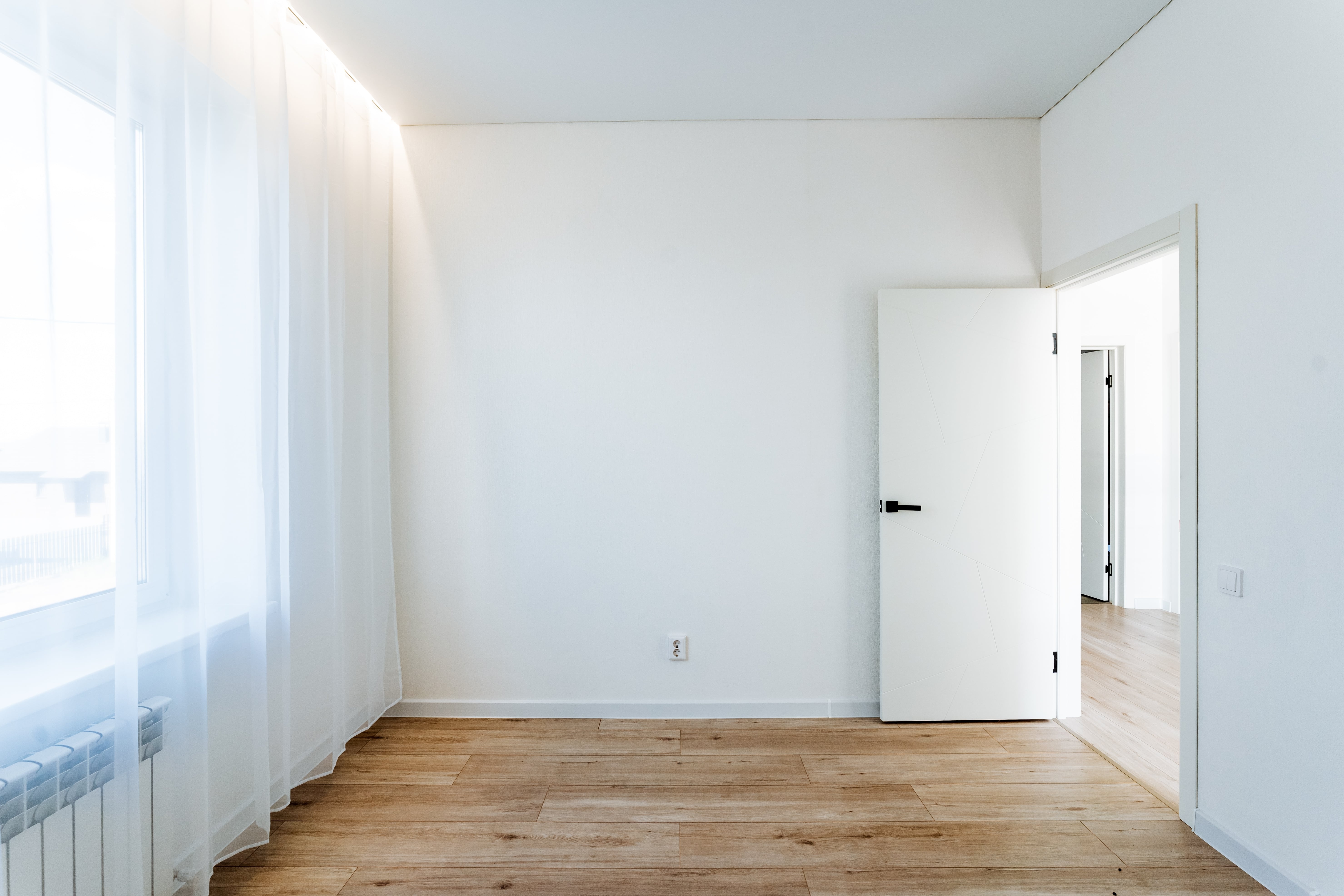
A vacant property in California can quickly become a target. Without tenants to provide a physical presence, your property is vulnerable to break-ins, vandalism, or even squatters.
Window damage, stolen appliances, and graffiti are common in unattended homes. Even a single incident of theft or destruction can lead to thousands of dollars in repair costs and insurance claims. Worse still, insurance companies often require vacancy clauses or impose restrictions on vacant property coverage. You could be financially liable for damages if the property remains unoccupied too long or isn’t properly secured.
There’s also the risk of something going wrong at your property and no one to notice it. If a sewer line bursts or the pipes begin to decay, who will report the problem? Vacancy homes are vulnerable, and that can be expensive.
Cleaning and General Maintenance
When a tenant moves out, even if they left the property in decent shape, you will likely need to pay for a deep cleaning and standard maintenance. This includes tasks like:
Professional carpet cleaning
Repainting walls or touching up paint
Repairing scuffed baseboards or worn flooring
Replacing light bulbs and filters
Servicing HVAC systems
In California, labor costs are high, and so are service provider rates. You’ll pay hundreds and possibly thousands of dollars on these expenses. But they are necessary to maintain habitability and attract quality tenants.
Cosmetic and Functional Upgrades
California renters expect modern, well-maintained spaces. When a unit turns over, property owners often feel pressure to make updates that go beyond the basics. This might include replacing outdated appliances, resurfacing countertops, or installing new flooring.
Even small upgrades can be costly. You’ll need to budget for the renovations that make sense for the market and to attract your next residents. Remember: you’re not only spending money on these upgrades, you’re spending time on them, too.
Leasing Costs
 Finding a new tenant is far more complicated and expensive than it once was. That’s because tenants are arriving on the market with high expectations. You’re fighting not only for their business, but for their attention.
Marketing and Advertising
Marketing comes with a price, too. With so many competing properties in many California cities, hiring a professional photographer is increasingly necessary. You’ll want a video tour, and you’ll have to spend time on showings, advertisements, and tenant communication.
Tenant Screening
Once you start collecting applications, you need to screen applicants thoroughly. That includes background checks, credit checks, employment and rental history verification, and possibly rental references. You’ll only be able to collect one application fee at a time, thanks to California laws that require you to approve the first tenant who is qualified.
Drafting or updating lease agreements can incur legal costs if you're using an attorney to ensure the lease is compliant with California’s evolving landlord-tenant laws. Failure to do this can lead to future liability, so many owners err on the side of caution.
Not sure about the legalities included in leasing a home in California? Those legal mistakes are even more expensive than general turnover costs. Contact us at Bell Properties and we’ll keep you in compliance.
Turnover Is More Expensive Than It Appears
For every tenant that leaves, you can expect a cascade of costs. Some of them are obvious, and some of them are a shock. A seemingly routine turnover can easily balloon into a $5,000–$10,000 setback when you combine vacancy losses, repairs, upgrades, and administrative expenses.
So, how can we keep those costs down?
How to Minimize Turnover Costs – or Avoid Them Altogether

Through tenant retention or smart management of the turnover process itself, California rental property owners can limit the disruption and protect their bottom line. Here's how.
1. Prioritize Tenant Retention
The single best way to avoid turnover costs is to prevent turnover altogether. Retaining a responsible, long-term tenant saves you the expenses of cleaning, repairs, marketing, and vacancy. It also provides predictable rental income.
Retention strategies don’t need to be costly. Good communication, timely maintenance, and fair rent increases all contribute to tenant satisfaction. When tenants feel valued and their needs are addressed, they’re far more likely to renew their lease. Consider offering lease renewal incentives such as small upgrades and flexible lease terms. These gestures often cost less than even one week of vacancy.
2. Work with a California Property Manager Who Moves Quickly
Turnover becomes expensive when it drags on. One of the smartest ways to minimize that cost is by partnering with a proactive property management company. Our experienced managers have the systems and vendor relationships in place to handle turnover efficiently, often in a matter of days rather than weeks.
Good property managers like the Bell Properties team coordinate everything from cleaning and repairs to advertising and tenant screening. We know which vendors are reliable, which upgrades will deliver ROI, and how to legally and fairly re-lease your property fast. The goal is to compress the turnover timeline, so the vacancy period is as short and as painless as possible.
3. Streamline Maintenance with Reliable Vendors
Speed and quality are essential during any turnover, especially a cost-effective one. Delays in painting, flooring, appliance installation, or plumbing repairs can extend your vacancy and cost you thousands in lost rent. Having a maintenance team you trust is critical.
Make sure you have vendors who understand your expectations and can respond quickly. Our exceptional team of vendors and service providers allow for faster turnarounds and better pricing. Routine maintenance and inspections during tenancy can also reduce the scope of work needed between tenants.
4. Prepare Your Marketing Materials in Advance
Don’t wait until a tenant moves out to think about how you’ll advertise the property. Once a notice to vacate is received, start preparing your marketing materials immediately. This includes updating your property description, taking high-quality photos, and preparing listing details for rental platforms.
The faster you get the property advertised, the sooner you can begin fielding inquiries, scheduling showings, and screening applicants. Having a template listing ready to go can cut days off your vacancy time. If the unit is still occupied and the tenant is cooperative, consider offering showings during the final days of their lease to minimize the gap between tenants. Not sure how to navigate that? Contact us at Bell Properties.
5. Use a Turnover Checklist
Organization is key when it comes to turnover. A standardized checklist ensures that every necessary task is completed quickly and consistently, without anything falling through the cracks. Your checklist should cover:
Final inspection and move-out documentation
Cleaning and repair schedule
Vendor appointments
Marketing and listing timelines
Application screening and lease signing
Move-in readiness for new tenants
By treating turnover as a repeatable process rather than a scramble, you save time, reduce stress, and keep costs down. Let’s make sure turnover costs are manageable for your California rental property. Please contact us at Bell Properties.